
What Your Dashboard Warning Lights Are Telling You
Your car’s dashboard might look like a sea of unfamiliar icons, but these car dashboard warning lights indicate issues that could seriously impact your vehicle’s safety and performance. Ignoring them could lead to expensive repairs and unexpected breakdowns. Understanding the meaning of car dashboard warning lights meaning will give you the confidence to act quickly and keep your car running smoothly.
Understanding Common Warning Lights
Modern vehicles are packed with sensors, and when something’s not right, a warning icon will light up to alert you. Some simply indicate routine checks, while others highlight serious faults. Learning the car dashboard warning lights meaning will help you avoid unnecessary worry—or worse, ignoring something dangerous.
All car dashboard warning lights fall into general categories. Red means urgent, amber signals caution and green or blue are informative. Knowing how to respond can be the difference between a quick fix and a major repair.
For example, if your car dashboard warning lights meaning show an oil pressure warning or a brake system fault, it’s time to stop immediately. If it’s your tyre pressure or a service reminder, book an appointment soon, but keep driving carefully.
All Dashboard Warning Lights You Shouldn’t Ignore
Below are the most common dashboard warning lights, what they mean and how fast you should act:
- Engine Warning Light: A general engine fault—get it checked as soon as possible.
- Brake System Warning Light: Often due to low brake fluid or a system issue. Act immediately.
- Oil Pressure Warning: Critical. Stop the car and call for recovery.
- Battery Charge Warning: Could point to an alternator issue. Book a test quickly.
- Coolant Temperature Warning: Your engine may be overheating. Pull over and call for help.
- Tyre Pressure Monitoring Light: One or more tyres may be underinflated. Check and top up.
- ABS Warning: A problem with the anti-lock braking system. Safety could be affected.
- Airbag Warning Light: The airbag system may not work in a crash. Book a repair.
- Glow Plug Warning (Diesel): Engine struggles or misfires could be linked to faulty glow plugs.
These are the most common dashboard warning lights, but others exist depending on your car’s make and model. When in doubt, get professional advice—especially when dealing with all dashboard warning lights that could affect safety. If you’re unsure what that icon on your dashboard means, this breakdown of car dashboard warning lights meaning explains each symbol clearly and what action you should take.
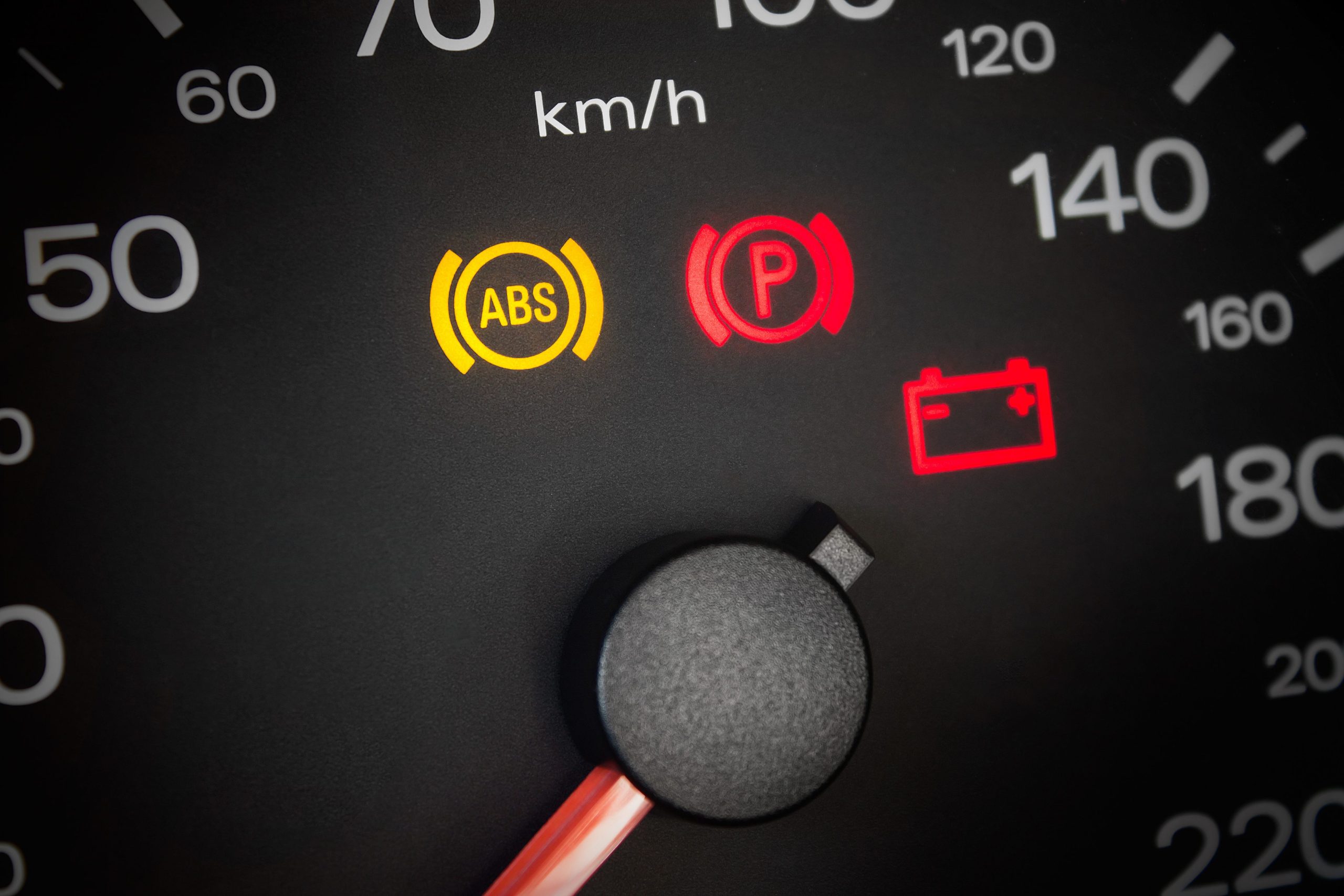
Car Dashboard Warning Lights meaning & Why Quick Action Matters
Responding quickly to car dashboard warning lights meaning can help you avoid major damage and unnecessary costs. A seemingly minor issue like low oil can lead to engine failure. Brake problems affect more than just stopping distance—they endanger everyone on the road.
At Kissane & Jeffries, we use advanced tools to inspect and fix faults related to all dashboard warning lights. Whether it’s a simple sensor reset or a deeper mechanical issue, our technicians diagnose the problem accurately and efficiently.
We’ve spent over 30 years helping drivers stay safe and road-ready. From common dashboard warning lights, MOT tests to full inspections and diagnostics, we’re here to support you. If you see something light up on your dash, don’t ignore it—book with Kissane & Jeffries and let us take care of the rest.
